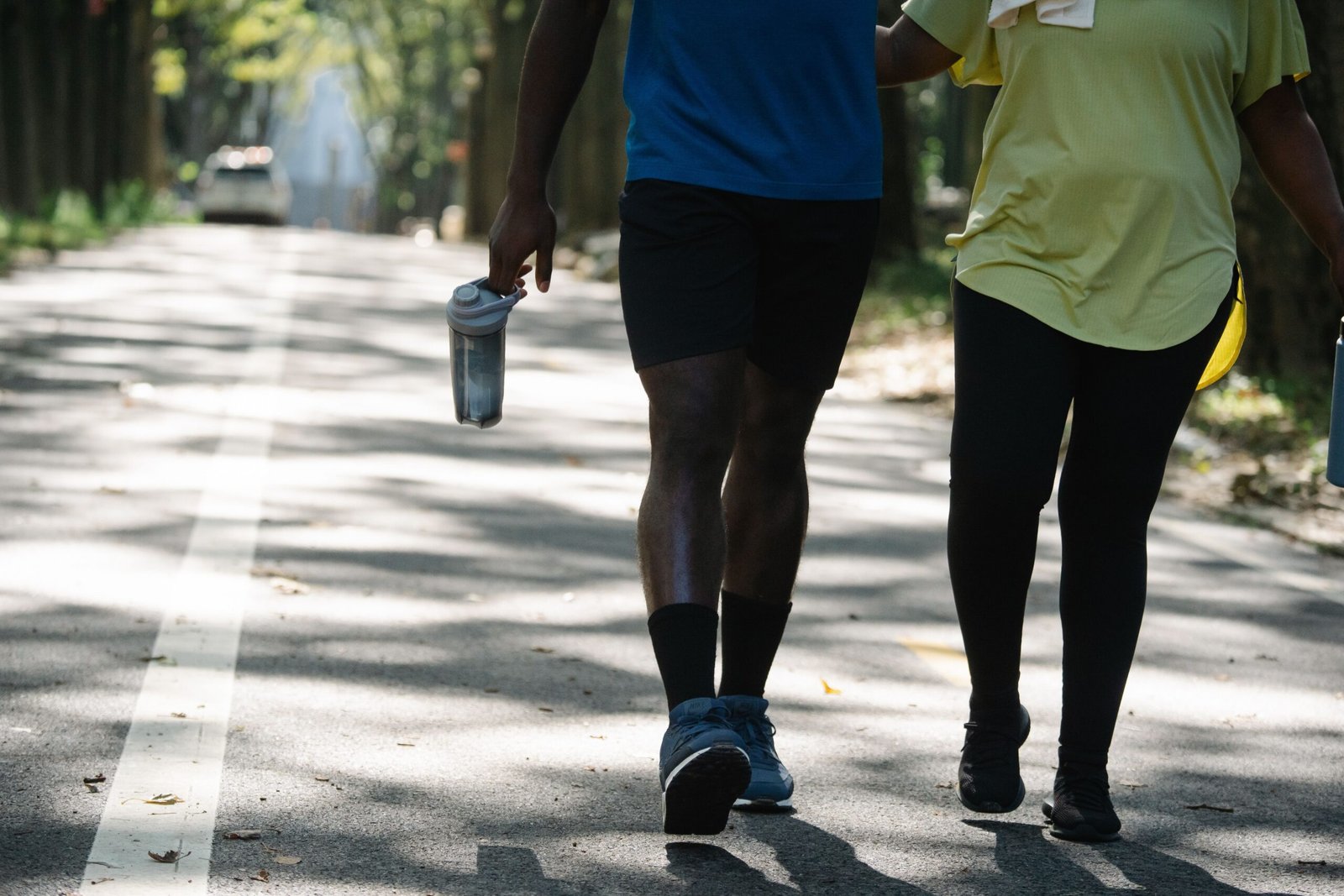
Walking might be the most underrated form of exercise out there. It doesn’t require a gym membership, special equipment, or any previous fitness experience. You already know how to do it. And yet, despite being one of the simplest and most accessible forms of movement available, most people never approach it with any real structure. They just sort of walk sometimes and hope it counts for something.
Here’s the good news: walking absolutely counts, and with a little bit of structure, it can become a genuinely effective way to build cardiovascular fitness, support weight management, improve mood, and create a sustainable exercise habit that doesn’t leave you sore, exhausted, or dreading your next session. This four-week plan is designed for complete beginners, meaning you don’t need any prior fitness background to start. All you need is a decent pair of shoes and a willingness to show up.
Why Walking Deserves More Credit Than It Gets
Walking often gets dismissed as “not real exercise,” especially in a fitness culture that tends to glorify intensity. But research consistently shows that regular walking offers a long list of genuine health benefits.
Walking improves cardiovascular health by strengthening your heart and improving circulation. It helps regulate blood sugar, particularly when done after meals. It supports joint health by keeping the muscles around your knees and hips strong without the high impact of running. It’s been shown to reduce symptoms of anxiety and depression, likely through a combination of physical activity, time outdoors, and the rhythmic, meditative nature of the movement itself. It also happens to be one of the easiest habits to stick with long-term, precisely because it’s low barrier and low risk.
None of this means walking is the only form of exercise you’ll ever need, but it’s an excellent foundation, especially if you’re just getting started with a fitness routine or returning to movement after a long break.
Before You Start: A Few Basics
You don’t need much to begin walking regularly, but a few small things will make the experience more comfortable and sustainable.
Shoes matter more than you’d think. You don’t need to spend a fortune, but a pair of shoes with decent cushioning and support designed for walking or running will make a noticeable difference over time, especially as your weekly distance increases. If your current shoes are old, worn down, or were never really meant for exercise, it’s worth replacing them before you start.
Dress for the weather, not the season. Layers are your friend. It’s easier to remove a layer partway through a walk than to be stuck uncomfortable for the whole thing.
Consider tracking your walks. This isn’t required, but a simple phone app or fitness tracker can help you see your progress over the four weeks, which tends to be motivating. If you’d rather not track anything digitally, that’s fine too. A basic sense of time or distance is enough to follow this plan.
Check in with a doctor if needed. If you have any existing health conditions or joint issues or haven’t exercised in a long time, it’s a good idea to check with a healthcare provider before starting a new routine, just to make sure walking is a good fit for your specific situation.
The Philosophy Behind This Plan
This plan is built around a simple, well-supported principle: gradual progression. Rather than jumping straight into long walks or trying to hit some arbitrary step count from day one, this plan increases duration and intensity slowly over four weeks, giving your body time to adapt.
Each week builds on the previous one, mixing in variety through pace changes and, eventually, some light hills or inclines if they’re available to you. By the end of the four weeks, you’ll have built a foundation that feels sustainable rather than something you white-knuckle through and then abandon.
A few quick notes on how to read the plan below. “Easy pace” means a comfortable walk where you could hold a conversation without getting winded. “Brisk pace” means a noticeably quicker walk where talking is still possible but requires a bit more effort. You don’t need precise speeds or a treadmill to figure this out. Just go by feel.
Week One: Building the Habit
The first week isn’t really about fitness gains. It’s about establishing consistency and getting your body used to regular movement without overdoing it.
Monday: 15 minutes at an easy pace
Tuesday: Rest or light stretching
Wednesday: 15 minutes at an easy pace
Thursday: Rest or light stretching
Friday: 20 minutes at an easy pace
Saturday: 20 minutes at an easy pace
Sunday: Rest
Total walking time for the week: about 70 minutes, spread across four days.
The goal here is simply to show up. If 15 minutes feels genuinely easy, resist the urge to push harder just yet. This week is about building the routine, not testing your limits. If you miss a day, don’t stress about it. Just pick back up on the next scheduled day.
Week Two: Adding Duration
By week two, your body should be starting to adjust to the rhythm of regular walks. This week extends the duration slightly and adds a bit more frequency.
Monday: 20 minutes at an easy pace
Tuesday: 15 minutes at a brisk pace
Wednesday: Rest or light stretching
Thursday: 25 minutes at an easy pace
Friday: 15 minutes at a brisk pace
Saturday: 25 minutes at an easy pace
Sunday: Rest
Total walking time for the week: about 100 minutes, spread across five days.
Notice the introduction of “brisk pace” days. These shorter, faster-paced walks help build cardiovascular fitness a bit more directly than a purely easy pace would, without requiring a long time commitment. If a brisk 15-minute walk still feels quite easy, that’s completely fine. It’ll naturally get more challenging as the plan progresses and your overall walking volume increases.
Week Three: Introducing Variety
By the third week, you should be noticing some early signs of progress, whether that’s feeling less winded, noticing your pace naturally picking up, or simply feeling like the walks require less mental effort to start. This week introduces a bit more variety through longer walks and, if available to you, some light inclines.
Monday: 25 minutes at an easy pace
Tuesday: 20 minutes at a brisk pace
Wednesday: Rest or light stretching
Thursday: 30 minutes at an easy pace, including hills or inclines if available
Friday: 20 minutes at a brisk pace
Saturday: 35 minutes at an easy pace
Sunday: Rest
Total walking time for the week: about 130 minutes, spread across five days.
If you don’t have access to hills or inclined terrain, don’t worry about it. A flat route is completely fine, and you’ll still get plenty of benefit from the increased duration alone. If you do have access to a hill, even a gentle one, incorporating it adds a nice bit of extra effort without requiring you to walk faster or longer.
Week Four: Building Toward a Routine
The final week of this plan is designed to solidify the habit and prepare you to continue walking regularly beyond these four weeks, whether that means maintaining this level or continuing to build from here.
Monday: 30 minutes at an easy pace
Tuesday: 25 minutes at a brisk pace
Wednesday: Rest or light stretching
Thursday: 35 minutes at an easy pace, including hills if available
Friday: 25 minutes at a brisk pace
Saturday: 40 minutes at an easy pace
Sunday: Rest
Total walking time for the week: about 155 minutes, spread across five days.
By the end of this week, you’ll have gone from a total of about 70 minutes of walking in week one to over 150 minutes in week four, more than double. That’s a meaningful increase in a short period of time, achieved gradually enough that it shouldn’t feel overwhelming or lead to burnout or injury.
What to Do If a Week Feels Too Hard
This plan is a general guideline, not a rigid rulebook. If you find that a particular week feels more difficult than expected, whether due to soreness, fatigue, a busy schedule, or just not feeling up to it, there’s no harm in repeating a week before moving on to the next one.
Some signs that suggest you might want to repeat a week rather than progress include persistent soreness that doesn’t improve with rest, feeling unusually fatigued throughout the day, or simply feeling like the walks are more of a struggle than they should be. None of this means you’ve failed. It just means your body is asking for a bit more time to adapt, which is completely normal and worth listening to.
On the flip side, if a week feels surprisingly easy and you’re consistently finishing walks feeling like you could have done more, it’s fine to progress a little faster than the plan suggests. This is meant to be a flexible framework, not something to follow with rigid precision.
Making Walks More Enjoyable
One of the biggest factors in whether a new habit sticks is whether you actually enjoy doing it. Here are a few ways to make your walks something you look forward to rather than something you have to force yourself through.
Change your route regularly. Walking the same block over and over can get monotonous quickly. If possible, mix things up with different neighborhoods, parks, or trails.
Use the time intentionally. Some people love using walks as a chance to listen to music, podcasts, or audiobooks. Others prefer walking in silence as a form of mental break from screens and noise. Both approaches are valid. Figure out what makes the time feel valuable to you.
Walk with someone else. A walking buddy, whether that’s a friend, family member, or even a dog, adds accountability and makes the habit more social and enjoyable.
Walk at a time that fits your natural rhythm. Some people are morning people who love starting the day with movement. Others prefer an evening walk to decompress after work. There’s no universally “correct” time to walk. The best time is the one you’ll actually stick with consistently.
Give yourself small rewards for consistency. This doesn’t need to be anything elaborate. Simply noticing and acknowledging that you completed a full week as planned can be a meaningful form of positive reinforcement.
What About Steps? Do I Need to Hit 10,000?
You’ve probably heard the widely cited target of 10,000 steps a day. It’s worth knowing that this number didn’t originate from a specific body of health research. It actually traces back to a marketing campaign for a Japanese pedometer in the 1960s, and it stuck around in popular culture simply because it was catchy and easy to remember.
That doesn’t mean 10,000 steps is a bad target, but it’s not some magic threshold you need to hit for walking to be worthwhile. Research generally shows meaningful health benefits at lower step counts too, with some studies suggesting noticeable reductions in health risks starting around 6,000 to 8,000 steps a day and continued benefit as that number increases from there.
If you’re using this four-week plan, you don’t need to worry about a specific step count at all. Focus on the time-based targets instead. If you happen to also want to track steps out of curiosity, that’s a nice bonus metric, but it shouldn’t be the main thing you’re chasing, especially as a beginner.
Should You Add Strength Training Alongside Walking?
Walking is a fantastic foundation, but it’s worth knowing that it primarily builds cardiovascular fitness rather than muscular strength. If your only goal right now is to build a consistent walking habit, that’s a completely valid place to focus your energy for these four weeks.
That said, once walking starts to feel like a comfortable, established habit, adding some basic strength training two or three times a week can complement it nicely. Strength training helps maintain muscle mass, supports bone density, and can actually make walking itself feel easier over time by improving overall strength and stability. This isn’t something you need to think about during these first four weeks, but it’s worth keeping in mind as a natural next step once walking feels solid.
Common Mistakes Beginners Make
Starting too aggressively. It’s tempting to want to jump straight into long, fast walks, especially if you’re feeling motivated. But starting too intensely often leads to excessive soreness, frustration, or even minor injury, which can derail your motivation before the habit has a chance to take hold.
Skipping rest days. Rest days aren’t a sign of weakness. They give your body time to adapt and recover, which actually makes your active days more effective and helps prevent burnout.
Comparing your pace to others. Everyone’s starting fitness level is different. Comparing your pace or distance to someone else’s, especially on social media, tends to create unnecessary pressure and can take the enjoyment out of what should be a simple, personal habit.
Ignoring proper footwear. Worn-out or unsupportive shoes can lead to unnecessary discomfort or even foot, knee, or hip pain over time, especially as your walking duration increases.
Quitting after a missed day. Missing a single day or even a full week doesn’t erase your progress. The habit itself is built through consistency over time, not perfection. Simply picking back up where you left off is far more effective than giving up entirely because the plan didn’t go exactly as scheduled.
What Happens After Week Four?
By the end of this four-week plan, you’ll have built a genuine walking habit and a solid cardiovascular base. From here, you have a few reasonable options depending on your goals.
If your main goal was simply to build a sustainable movement habit, you can maintain the week four schedule indefinitely, keeping your walks at roughly the same duration and frequency going forward.
If you’re interested in continuing to build fitness, you could gradually continue increasing duration, add more brisk-paced walks, or start incorporating more consistent hill walking if you have access to varied terrain.
If you’re curious about progressing to other forms of exercise, walking serves as an excellent foundation for eventually adding light jogging intervals, strength training, or other activities, since you’ll have already built a baseline level of cardiovascular fitness and a consistent exercise habit to build upon.
Whatever direction you choose, the most important outcome of these four weeks isn’t really the specific fitness gains, though those matter too. It’s proving to you that you can build and stick with a simple, sustainable habit, which is often the hardest part of any new exercise routine.
The Bottom Line
Walking is one of the most accessible, low-risk, and genuinely effective forms of exercise available, and it doesn’t require any special skill, equipment, or fitness background to get started. This four-week plan is designed to ease you in gradually, building both duration and intensity at a pace that should feel manageable rather than overwhelming.
Stick with the schedule as closely as you reasonably can, but don’t be afraid to adjust based on how your body responds. Some weeks might feel easier than expected, others might feel harder, and both are completely normal parts of building a new habit. By the end of four weeks, you’ll have gone from occasional, unstructured walking to a genuine, sustainable routine, and that foundation can carry you into whatever comes next, whether that’s simply maintaining a healthy habit or building toward bigger fitness goals down the road.