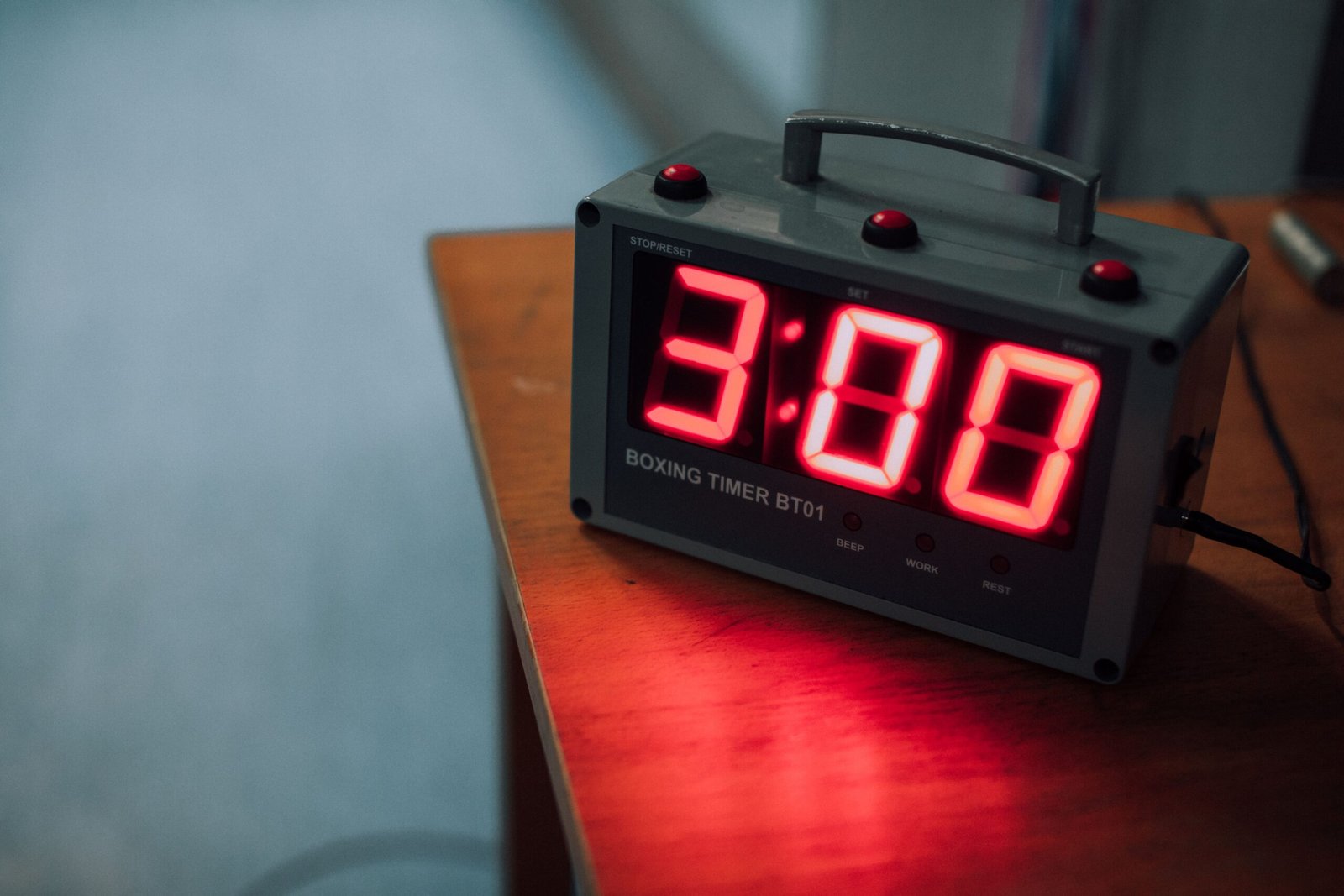
There’s a strange, specific kind of frustration that comes with waking up at 3 a.m., wide awake, mind suddenly alert, when you know you have hours left before your alarm is supposed to go off. It’s different from the grogginess of an early morning wake-up or the light drowsiness of dozing off and on. This is a distinct, often unwelcome kind of wakefulness, and if it happens to you regularly, you’ve probably already tried the obvious things: counting sheep, avoiding your phone, and maybe even giving up and scrolling anyway out of sheer boredom.
The good news is that waking up at 3 a.m. is extremely common, and in most cases, it has identifiable causes rather than being some mysterious personal flaw. This guide will walk through why this particular wake-up time shows up so often, what might be causing it in your specific case, and practical strategies that can genuinely help.
Why 3 a.m.? Specifically?
It’s not a coincidence that so many people report waking up around this particular hour rather than randomly throughout the night. There are a few overlapping explanations, and understanding them helps make the experience feel less random and unsettling.
Sleep cycle structure. Sleep isn’t one continuous, uniform state. It moves through cycles of roughly 90 minutes each, shifting between lighter stages, deep sleep, and REM sleep. Later in the night, sleep cycles tend to contain more REM sleep and less deep sleep, which means your body is naturally closer to the surface of wakefulness during these later cycles. A small disturbance, whether that’s noise, a shift in temperature, or a passing thought, is more likely to fully wake you up during these lighter stages than it would have been earlier in the night.
Body temperature dips. Your core body temperature naturally drops throughout the night, reaching its lowest point in the early morning hours, often somewhere between 3 and 5 a.m. This temperature dip is tied to your circadian rhythm and can sometimes coincide with waking, particularly if your sleep environment isn’t well suited to this natural temperature shift.
Cortisol’s early rise. Cortisol, often associated with stress, actually follows a natural daily rhythm and begins rising in the hours before you’d normally wake up as part of your body’s preparation for the day ahead. For some people, especially those under higher stress, this natural cortisol rise can happen a bit earlier or more sharply than usual, contributing to an earlier, more abrupt wake-up.
Blood sugar fluctuations. For some people, a drop in blood sugar during the night can trigger a stress hormone response that leads to waking up, particularly if dinner was light, early, or low in protein and fat, which helps slow the release of blood sugar overnight.
None of these explanations mean something is necessarily wrong with you. They simply reflect the fact that this particular window of the night involves several overlapping biological shifts, any of which can tip you from sleep into wakefulness a little more easily than earlier in the night.
The Difference Between Waking Up and Staying Awake
It’s worth separating two related but distinct problems here, because they often call for different solutions.
The first is simply waking up briefly during the night. This is actually normal and happens to most people multiple times a night, even those who consider themselves good sleepers. Many of these awakenings are so brief that they’re forgotten entirely by morning.
The second, more frustrating problem is waking up and then struggling to fall back asleep, sometimes lying there for 30 minutes, an hour, or longer. This is where most of the distress associated with 3 a.m. wake-ups actually comes from. The waking itself is common and often harmless. It’s the difficulty returning to sleep that tends to create the cascading frustration, clock-watching, and next-day exhaustion that make this pattern feel like such a problem.
Understanding this distinction matters because it shifts the goal. Rather than trying to prevent all nighttime awakenings, which may not be entirely realistic, the more useful and achievable goal is often making it easier to fall back asleep once you do wake up.
Common Underlying Causes Worth Considering
While the biological explanations above apply to almost everyone to some degree, certain underlying factors can make 3 a.m. wake-ups more frequent or more difficult to recover from. It’s worth considering whether any of these apply to your situation.
Stress and anxiety. This is one of the most common contributors, and it often works in both directions. Stress can make waking up more likely due to elevated cortisol and general nervous system arousal, and then the quiet, distraction-free environment of lying awake at 3 a.m. can become fertile ground for anxious thoughts to spiral, which in turn makes falling back asleep even harder. Many people report that their most anxious, ruminative thinking happens specifically during these middle-of-the-night awakenings, even if they don’t feel particularly anxious during the day.
Alcohol consumption. Alcohol can help you fall asleep initially, but as it’s metabolized over the course of the night, it tends to disrupt sleep in the second half, often leading to lighter sleep, more fragmented sleep, or full awakenings once its sedative effect wears off. If your 3 a.m. wake-ups seem to correlate with evenings you’ve had a drink or two, this is worth paying attention to.
Room temperature. Since body temperature naturally drops overnight, a bedroom that’s too warm can work against this natural process and increase the likelihood of waking during this period. Most sleep experts recommend a cooler bedroom, generally somewhere in the range of 65 to 68 degrees Fahrenheit, though personal preference varies.
Blood sugar and evening eating patterns. As mentioned earlier, going to bed with very low blood sugar, whether from an early or light dinner, can contribute to nighttime waking. On the other hand, eating a very heavy or rich meal close to bedtime can also disrupt sleep through digestive discomfort, so the goal is more about balance than extremes in either direction.
Sleep apnea or breathing disruptions. For some people, particularly those who snore heavily or have other risk factors, breathing interruptions during sleep can cause repeated awakenings, sometimes without the person fully realizing why they’re waking up. If you wake up gasping, feel unusually exhausted despite adequate time in bed, or have been told you snore loudly, this is worth discussing with a healthcare provider.
Hormonal changes. For women going through perimenopause or menopause, hormonal fluctuations, particularly declining estrogen, can significantly affect sleep continuity and are a well-documented contributor to middle-of-the-night waking during this life stage.
Medication timing or side effects. Certain medications, including some antidepressants, blood pressure medications, and even over-the-counter options, can affect sleep architecture or timing. If a wake-up pattern started around the same time you began a new medication, it’s worth mentioning to whoever prescribed it.
Overfull bladder. This one is simple but genuinely common, especially as people age. Needing to urinate can be enough to trigger a full awakening, particularly during lighter sleep stages later in the night. Reducing fluid intake in the hour or two before bed can help for some people.
Why the Anxious Spiral Happens So Easily at 3 a.m.
If you’ve ever noticed that a minor worry feels dramatically larger at 3 a.m. than it does at 3 p.m., you’re picking up on something that’s been studied and confirmed by sleep and cognitive researchers. A few factors contribute to this.
First, your prefrontal cortex, the part of your brain responsible for rational thinking, perspective, and problem-solving, is less active during this groggy, half-awake state, while the amygdala, involved in emotional and threat responses, remains relatively more active. This imbalance means worries can feel more urgent and less manageable than they would during full daytime alertness.
Second, there’s simply nothing else competing for your attention. During the day, worries get diluted by conversations, tasks, and general stimulation. At 3 a.m., in a dark, silent room, a single worry can have your full, undivided attention, which makes it feel larger and more consuming than it might otherwise.
Third, the frustration of not being able to sleep often gets added on top of whatever you were already worried about, creating a compounding effect. Now you’re not just worried about the original issue. You’re also worried about how tired you’ll be tomorrow, which adds another layer of stress that makes falling back asleep even harder.
Understanding this pattern doesn’t necessarily make it disappear immediately, but recognizing that your brain is working under different conditions at 3 a.m. than it does during the day can help you take those spiraling thoughts a little less literally in the moment.
What to Do When You Wake Up and Can’t Fall Back Asleep
Here are practical strategies that can genuinely help in the moment, along with some longer-term adjustments worth considering.
Don’t check the time. Looking at a clock, especially a phone, tends to increase anxiety by making you acutely aware of exactly how much sleep you’re losing, which often makes falling back asleep even harder. If possible, turn your clock away or resist the urge to check your phone.
Avoid screens entirely. Beyond the time-checking issue, screens emit blue light that can interfere with melatonin production, and the content itself, whether it’s email, social media, or news, tends to be stimulating in ways that work against falling back asleep.
Try the 20-minute rule. If you’ve been lying awake for what feels like more than 20 minutes, many sleep specialists recommend getting out of bed rather than continuing to lie there in frustration. Go to another room, keep the lights dim, and do something calm and unstimulating, like reading a physical book or listening to quiet music, until you start to feel sleepy again. This helps prevent your brain from associating your bed with wakeful frustration, which can worsen the pattern over time.
Practice a calming technique rather than trying to force sleep. Ironically, actively trying hard to fall back asleep tends to backfire, since the effort itself is stimulating. Instead, try simple techniques like slow, deep breathing, progressive muscle relaxation, where you tense and release different muscle groups, or a body scan, where you mentally move attention through different parts of your body. These techniques work by shifting your nervous system toward a calmer state, which makes sleep more likely to follow naturally, without forcing it directly.
Write down anxious thoughts if they’re persistent. If you find yourself lying awake replaying a worry or a mental to-do list, keeping a notepad by your bed can help. Jotting down the thought, even briefly, can create enough psychological closure to let your mind release it, at least temporarily, until morning.
Avoid problem-solving in the moment. It’s tempting to try to work through a stressful issue while lying awake, but as covered earlier, your brain isn’t operating at its rational best during this state. Remind yourself that this isn’t the right time to solve anything and that the issue will still be there, likely feeling more manageable once you’re fully awake and rested.
Longer-Term Adjustments That Can Reduce This Pattern
Beyond what to do in the moment, a few broader habits can reduce how often these wake-ups happen in the first place.
Address alcohol timing. If evening drinking correlates with your wake-ups, try having your last drink earlier in the evening, giving your body more time to metabolize it before bed, or reducing intake on nights when consistent sleep matters most to you.
Balance your evening meal. Aim for a dinner that includes a reasonable mix of protein, fat, and carbohydrates rather than something very light or very heavy, and try to avoid eating a large meal too close to bedtime.
Manage stress during the day, not just at night. Since stress and cortisol patterns play such a large role in these wake-ups, building in some form of daytime stress management, whether that’s exercise, journaling, talking to someone, or simply taking breaks, can reduce how much unprocessed stress is left to surface at 3 a.m.
Keep a consistent sleep schedule. Going to bed and waking up at roughly the same time every day, including weekends, helps stabilize your circadian rhythm, which can reduce the likelihood of disruptive middle-of-the-night awakenings over time.
Optimize your sleep environment. A cool, dark, quiet room supports more continuous sleep. Consider blackout curtains, a fan or white noise machine if outside noise is an issue, and a comfortable temperature that supports your body’s natural overnight temperature dip.
Limit fluids before bed if bathroom trips are a factor. Reducing fluid intake in the couple of hours before bed can help minimize nighttime bathroom trips, particularly if that’s a recurring reason for your wake-ups.
Consider whether an underlying condition needs attention. If you suspect sleep apnea, hormonal changes, medication side effects, or a mood disorder like anxiety or depression might be contributing, bringing this up with a healthcare provider can lead to a more targeted solution rather than continuing to manage symptoms alone.
When It Might Be More Than an Occasional Annoyance
Waking up occasionally at 3 a.m. and falling back asleep within a reasonable amount of time is a normal variation in sleep, not something to be overly concerned about. However, certain patterns suggest it’s worth seeking additional support.
If this happens most nights and significantly affects your daytime functioning, mood, or ability to concentrate, if it’s accompanied by racing thoughts or a sense of dread that feels disproportionate, if it started suddenly and coincides with a major life change, medication, or health issue, or if you find yourself dreading bedtime because you expect to wake up and struggle, these are signs that it may be worth talking to a doctor or a sleep specialist rather than continuing to manage it entirely on your own.
Cognitive behavioral therapy for insomnia, often referred to as CBT-I, is a well-researched, effective treatment specifically for this kind of sleep disruption, and it’s generally considered a first-line treatment recommendation before medication in many cases. It focuses on exactly the kind of patterns discussed in this guide, addressing both the behavioral habits and the anxious thought patterns that tend to develop around difficulty sleeping.
A Note on Self-Compassion Around Sleep
One thing worth mentioning, since it tends to make this whole experience worse when it’s missing: try not to treat these wake-ups as a personal failure or a sign that something is deeply wrong with you. Waking up at night is a normal part of human sleep architecture, and the frustration and anxiety that often accompany it are understandable responses to feeling out of control over something as basic as sleep.
Piling on stress about the wake-up itself, on top of whatever caused it in the first place, tends to reinforce the very pattern you’re trying to break. Approaching these nights with a bit more patience, and trusting that occasional disrupted sleep won’t derail your overall health, can actually make it easier to relax back into sleep than treating every wake-up as a crisis.
The Bottom Line
Waking up at 3 a.m. is common, and it usually has identifiable, addressable causes rather than being a random or unexplainable problem. Natural shifts in sleep cycles, body temperature, and cortisol all make this particular window a more likely time to surface into wakefulness, while stress, alcohol, room temperature, blood sugar, and underlying health conditions can all make the pattern more frequent or harder to recover from.
The most effective approach usually combines two things: practical, in-the-moment strategies for falling back asleep without added frustration, and longer-term adjustments to stress management, evening habits, and sleep environment that reduce how often these wake-ups happen in the first place. If the pattern is frequent, distressing, or affecting your daily life significantly, reaching out to a healthcare provider is a reasonable and often very effective next step, rather than something to feel like you should be able to solve entirely on your own.