If the phrase “meal prep” conjures up images of Instagram-perfect glass containers lined up in rainbow rows, each one identical down to the sprig of parsley, you’re not alone in feeling like meal prep is either not for you or too much work to bother with. The good news is that the version of meal prep that actually works for most people looks nothing like that. It’s messier, more flexible, and a lot more forgiving.
At its core, meal prep is just about doing some of the thinking and work ahead of time so that future you, tired after work or scrambling before school drop-off, doesn’t have to start from zero. This guide will walk you through a realistic, low-stress approach to meal prep that fits into a genuinely busy week, without requiring hours in the kitchen every Sunday or a pantry full of matching containers.
Why Meal Prep Actually Helps
Before getting into the how, it’s worth understanding the why, because it makes the effort feel more worthwhile.
When you’re hungry and tired, decision-making gets harder. This is sometimes called decision fatigue, and it’s a big reason why so many busy weeknights end in takeout or whatever’s fastest, even when that’s not what you’d choose with a clear head. Meal prep removes a lot of those in-the-moment decisions by making them in advance, when you have more energy and a clearer mind.
Beyond convenience, meal prep also tends to support better nutrition simply because you’re more likely to eat vegetables, lean proteins, and whole foods when they’re already washed, cooked, or portioned and sitting right in front of you. It also tends to save money, since home-cooked meals are almost always cheaper than takeout or last-minute grocery runs for convenience items.
None of this requires perfection. Even prepping two or three components ahead of time can meaningfully change how your week feels.
The Mindset Shift: Components, Not Full Meals
One of the biggest reasons people burn out on meal prep is that they try to cook five or six complete, fully composed meals in one sitting. This is both time-consuming and boring, since you end up eating the exact same thing for days in a row.
A more sustainable approach is to think in components rather than finished meals. Instead of prepping “chicken fajita bowls” as one fixed meal, you prep chicken, rice, and a mix of vegetables separately. From there, those same components can become fajita bowls one night, a quick salad the next, and a wrap the night after that. You’re doing less total cooking while still giving yourself variety throughout the week.
This approach also makes the whole process more forgiving. If your plans change or you end up eating out one night, you’re not stuck with a fully assembled meal that has to be eaten in a specific order. The components just wait for you.
Setting Yourself Up: What You Actually Need
You don’t need a fully stocked professional kitchen to meal prep well. A few basics make the process considerably smoother:
- A set of storage containers, glass or plastic, in a few different sizes
- A large sheet pan for roasting
- A large pot for grains, beans, or soups
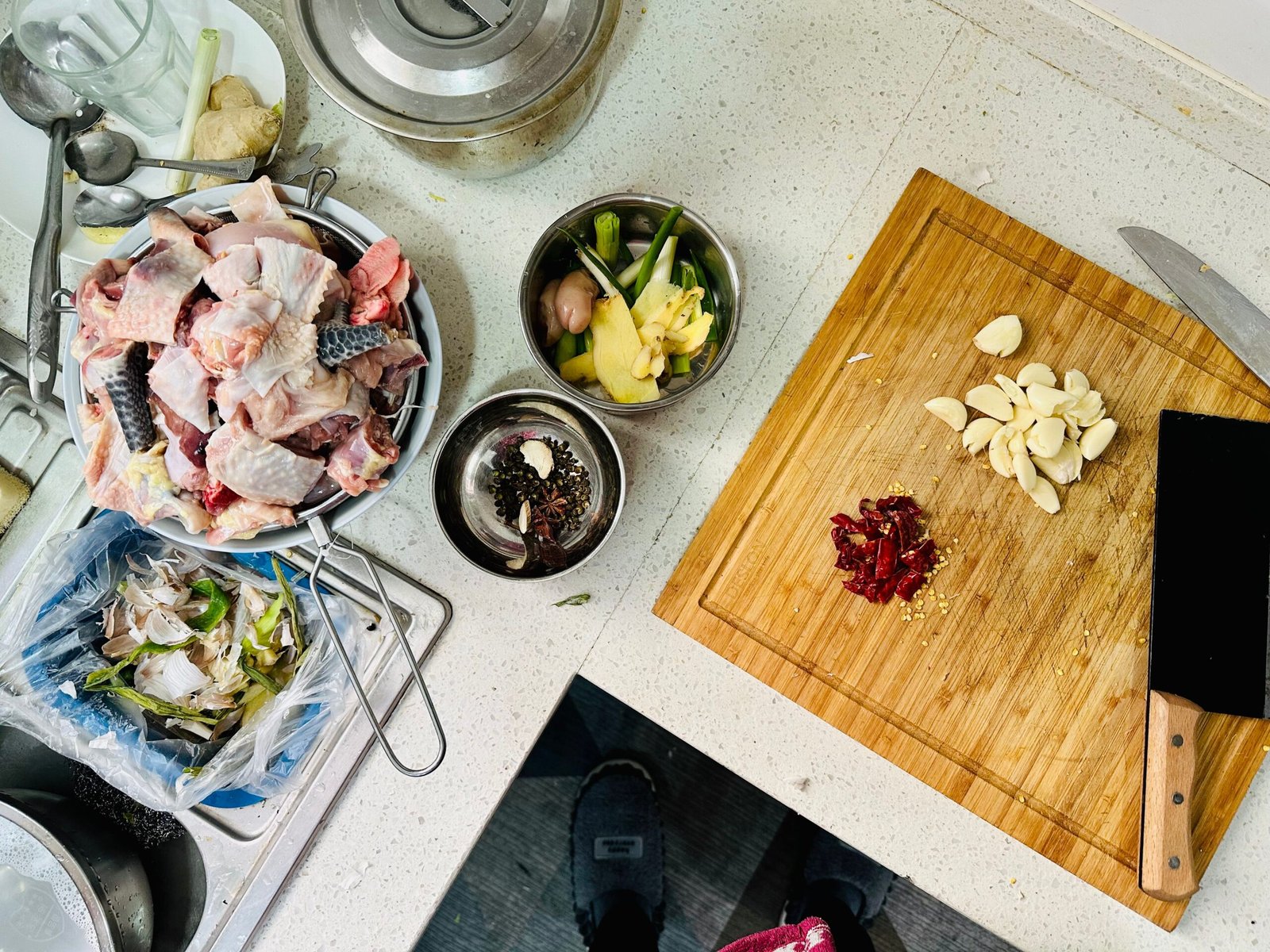
- A sharp knife and a solid cutting board
- Optional but helpful: a slow cooker, instant pot, or rice cooker if you have one, since they let you cook hands-off while doing other things
If you don’t have specialized equipment, that’s genuinely fine. An oven, a stovetop, and a couple of pots and pans will get you through everything in this guide.
The Three-Part Framework: Protein, Base, and Vegetables
A simple way to build flexible meals is to think of your plate in three parts: a protein, a base, and vegetables. Prepping one or two options in each category gives you enough building blocks to mix and match all week without repeating the exact same meal.
Protein options that hold up well for a few days:
- Roasted or grilled chicken breast or thighs
- Ground turkey or beef, cooked plain or with basic seasoning
- Baked tofu or tempeh
- Hard-boiled eggs
- Canned tuna or salmon (no cooking required)
- Cooked lentils or chickpeas
Base options:
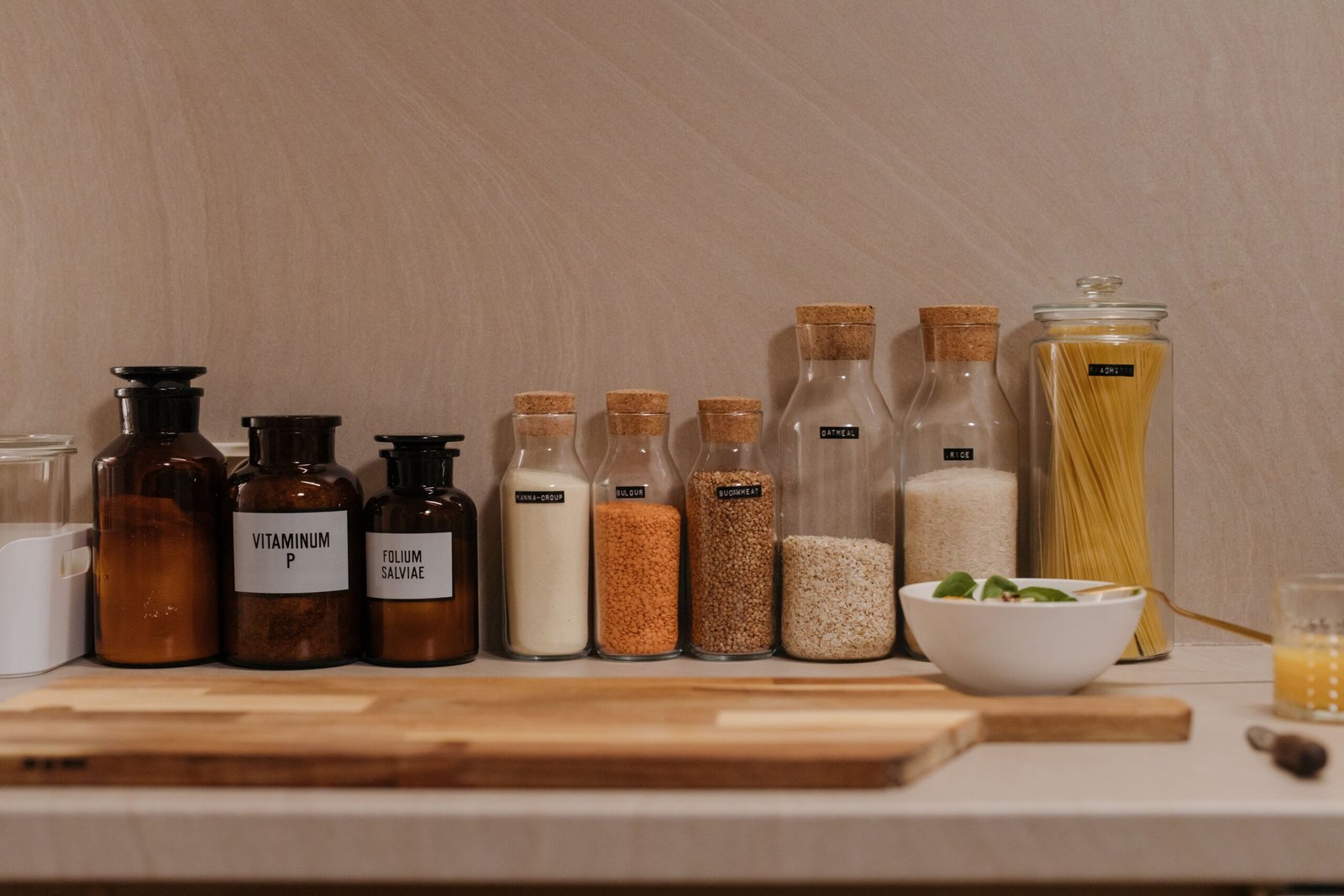
- Rice (white, brown, or a blend)
- Quinoa
- Roasted potatoes or sweet potatoes
- Whole wheat pasta
- Farro or another whole grain
Vegetable options:
- Roasted vegetables like broccoli, carrots, bell peppers, or zucchini
- Sautéed greens like spinach or kale
- Raw vegetables for salads or snacking, like cucumbers, cherry tomatoes, or shredded cabbage
- Frozen vegetables, which require zero prep and steam quickly when needed
Pick one or two items from each category based on what you like and what’s in season or on sale, and you already have the foundation for several different meals.
A Sample Sunday Prep Session
Here’s what a realistic prep session might look like, designed to take about 90 minutes to two hours, most of which is hands-off cooking time rather than active work.
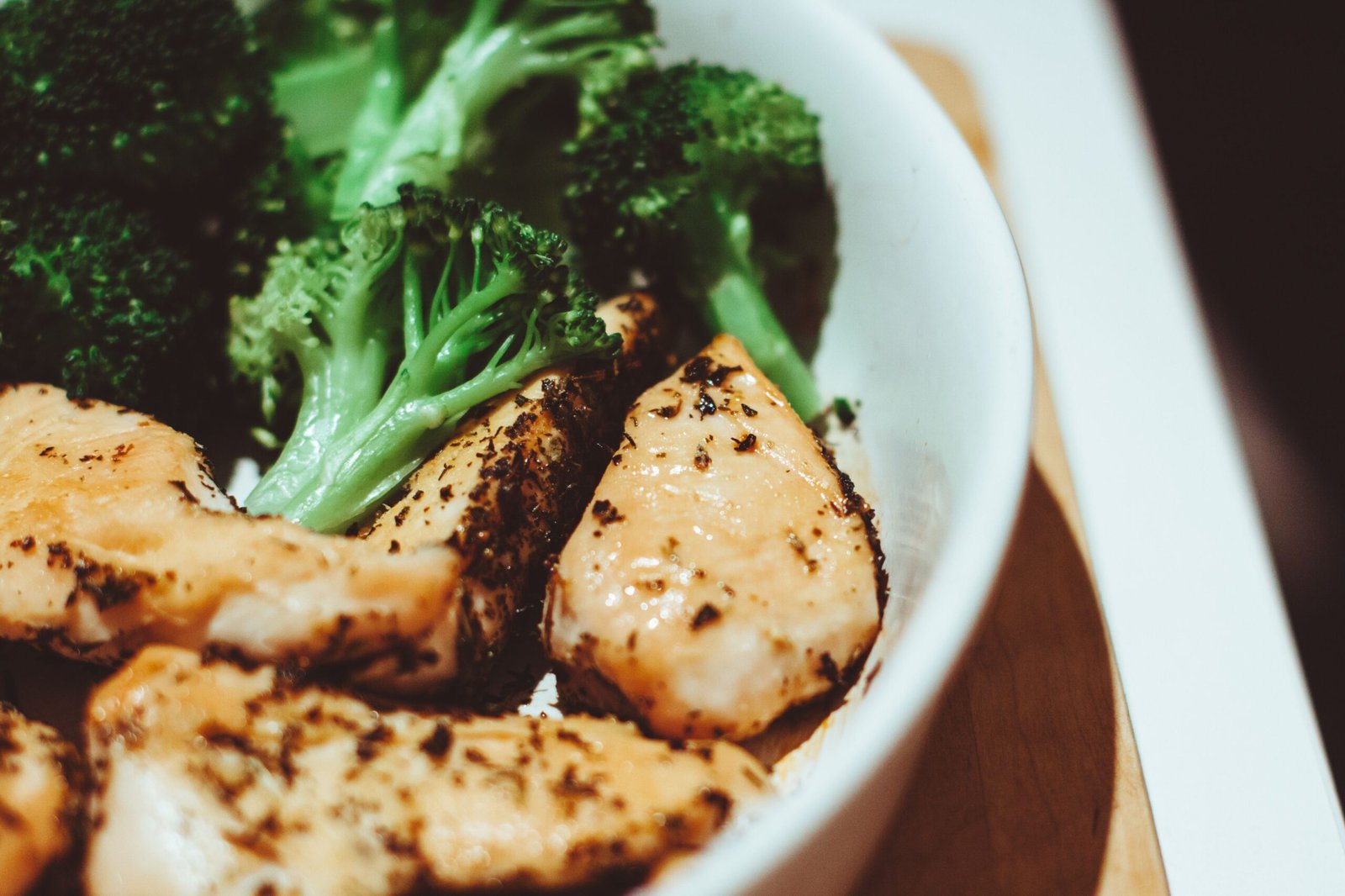
Step 1: Start something in the oven. Preheat your oven and get a protein and a batch of vegetables roasting at the same time on separate sheet pans. For example, seasoned chicken thighs on one pan and a mix of broccoli and bell peppers on another. This can take 25 to 35 minutes, during which you’re free to do other prep tasks.
Step 2: Cook your grain or starch. While the oven is going, get your rice, quinoa, or potatoes cooking on the stovetop or in a rice cooker. Most grains take 15 to 25 minutes and require minimal attention beyond an occasional stir.
Step 3: Prep raw vegetables and snacks. While things are cooking, wash and chop any vegetables you plan to eat raw, like cucumbers or bell pepper strips, and portion out any fruit or snacks for the week. This is also a good time to hard-boil eggs if you’re including them.
Step 4: Cool and portion everything. Once everything is cooked, let it cool slightly before portioning it into containers. Cooling food before sealing containers helps prevent excess condensation, which can make food soggy or speed up spoilage.
Step 5: Store smart. Keep proteins, grains, and vegetables in separate containers rather than fully assembled meals, unless you know you’ll eat that specific combination the next day. This keeps things flexible and helps prevent one soggy ingredient from ruining the whole container.
By the end of this session, you’ll have several days’ worth of building blocks ready to go, without having cooked the same single dish five times over.
Making It Work Around a Real Schedule
Not everyone has two free hours on a Sunday, and that’s okay. Meal prep can flex around your actual schedule in a few different ways.
Split prep across two shorter sessions. Instead of one long session, some people find it easier to do a shorter prep on Sunday and another quick session midweek, maybe Wednesday, to refresh vegetables or cook a second protein. This keeps food fresher and breaks the task into smaller, less overwhelming chunks.
Cook once, eat twice. When making dinner on a weeknight, simply double the recipe. If you’re making a stir-fry, roast, or pasta dish, doubling the batch means tomorrow’s lunch or dinner is already done with barely any extra effort.
Lean on your freezer. Not everything needs to be eaten within a few days. Cooked grains, soups, chili, and many proteins freeze well. Prepping a large batch and freezing half in individual portions means you’re essentially meal prepping for a future week, not just the current one.
Use convenience shortcuts strategically. Pre-washed salad greens, frozen vegetables, canned beans, rotisserie chicken, and pre-cooked grains from the store are not cheating. They’re tools that reduce active cooking time while still letting you eat something homemade and reasonably balanced.
How Long Does Prepped Food Actually Last?
This is a common source of anxiety, so here are some general guidelines. Most cooked proteins, grains, and roasted vegetables last safely in the refrigerator for about three to four days. Raw chopped vegetables, particularly sturdier ones like carrots or bell peppers, often last just as long or longer.
If you’re prepping for a full week, it’s worth planning to eat the more perishable prepped items earlier in the week and saving frozen or shelf-stable components for later days. Alternatively, cook enough for the first half of the week, then do a shorter refresh session midweek for the second half.
When in doubt, trust your senses. Off smells, sliminess, or visible mold are clear signs something should be tossed, regardless of how many days it’s technically supposed to last.
Putting It Together: Sample Meals From One Prep Session
Let’s say your prep session for the week includes roasted chicken thighs, cooked brown rice, roasted broccoli and peppers, hard-boiled eggs, and some raw cucumber and cherry tomatoes. Here’s how those same components might turn into different meals across the week:
Monday: Chicken, rice, and roasted vegetables reheated together as a simple bowl, drizzled with whatever sauce or dressing you have on hand.
Tuesday: Chopped chicken added to a salad with cucumber, cherry tomatoes, and a hard-boiled egg on top.
Wednesday: Rice fried quickly in a pan with a scrambled egg and any remaining roasted vegetables for a fast fried rice.
Thursday: Chicken and vegetables wrapped in a tortilla with a bit of cheese or sauce for a quick wrap.
Friday: Whatever’s left, mixed together into a “clean out the fridge” bowl, often surprisingly good once you add a sauce or seasoning.
Same core ingredients, five genuinely different meals, and very little additional cooking required beyond the initial prep session.
Sauces and Seasonings: The Secret to Avoiding Boredom
One of the biggest reasons people get tired of meal prep is that the food starts to taste repetitive. The easiest fix for this is keeping a few different sauces or seasoning blends on hand so the same base ingredients can taste different depending on what you pair them with.
A few easy options worth keeping stocked:
- A basic vinaigrette made from oil, vinegar, and mustard
- Soy sauce, sesame oil, and a bit of rice vinegar for an Asian-inspired flavor
- Salsa or hot sauce for a quick kick
- A yogurt-based sauce with garlic and herbs
- Store-bought options like pesto, tahini, or a favorite salad dressing
Having two or three of these on hand means the exact same chicken, rice, and vegetable combination can taste noticeably different from one day to the next, which goes a long way in preventing prep fatigue.
Common Meal Prep Mistakes to Avoid
Prepping food you don’t actually enjoy eating. It’s easy to prep what seems healthy on paper, but if you don’t like it, it’ll sit in the fridge untouched. Choose ingredients and flavors you genuinely enjoy, even if they’re not the trendiest health food of the moment.
Overcomplicating the first few attempts. Trying to prep five different proteins, three grains, and six vegetables in your first session is a fast track to burnout. Start small, maybe one protein, one grain, and one or two vegetables, and build from there as you get more comfortable.
Not accounting for variety. Eating the exact same meal five days in a row works for some people, but many find they get bored and abandon the routine. Using the component method described earlier helps prevent this without much extra effort.
Forgetting about breakfast and snacks. Most meal prep advice focuses on lunch and dinner, but busy mornings often lead to skipped meals or less balanced choices. Prepping overnight oats, hard-boiled eggs, or portioned snacks can smooth out this part of the day too.
Letting containers pile up. If you find containers of prepped food you forgot about at the back of your fridge, it might mean you’re prepping more than you can realistically eat in a week. Scale back slightly and see if that improves how consistently you actually eat what you prep.
Starting Small: A Beginner-Friendly First Step
If a full prep session still feels overwhelming, start with just one piece of it. Pick a single protein and cook a batch on Sunday. That’s it. Don’t worry about grains, vegetables, or sauces yet.
Having just one ready-to-go protein in the fridge already removes a significant decision point during a busy week. Once that becomes a comfortable habit, add a grain the following week, then vegetables the week after. Building the routine gradually tends to stick far better than attempting the full system all at once and burning out after two weeks.
The Bottom Line
Meal prep doesn’t need to look like a perfectly styled photo online, and it definitely doesn’t require hours of work every single week. At its core, it’s simply about shifting some of the decision-making and cooking to a time when you have more energy, so that your busy weeknight self has less to figure out.
Start with the component approach, mix and match proteins, bases, and vegetables, and keep a few sauces on hand to prevent things from getting repetitive. Build the habit gradually, adjust based on what actually gets eaten versus what sits forgotten in the fridge, and remember that even a partial prep routine, just one protein or one grain cooked ahead of time, can make a real difference in how manageable your week feels.